

Eastern Christianity
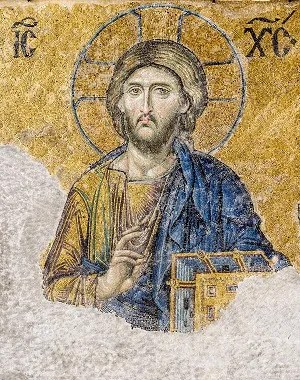
The Orthodox Church embodies and expresses the rich spiritual treasures of Eastern Christianity. It should not be forgotten that the Gospel of Christ was first preached and the First Christian communities were established in the lands surrounding the Mediterranean Sea. It was in these eastern regions of the old Roman Empire that the Christian faith matured in its struggle against paganism and heresy. There, the great Fathers lived and taught. It was in the cities of the East that the fundamentals of our faith were proclaimed at the Seven Ecumenical Councils.
The spirit of Christianity which was nurtured in the East had a particular flavor. It was distinct, though not necessarily opposed, to that which developed in the Western portion of the Roman Empire and subsequent Medieval Kingdoms in the West. While Christianity in the West developed in lands which knew the legal and moral philosophy of Ancient Rome, Eastern Christianity developed in lands which knew the Semitic and Hellenistic cultures. While the West was concerned with the Passion of Christ and the sin of man, the East emphasized the Resurrection of Christ and the deification of man. While the West leaned toward a legalistic view of religion, the East espoused a more mystical theology. Since the Early Church was not monolithic, the two great traditions existed together for more than a thousand years until the Great Schism divided the Church.
In 1054 A.D the Patriarch (or Bishop) of Rome tried to claim papal authority over the other four Christian patriarchates and, in doing so, separated itself from the rest of the church. Only then did the original Christian Church have to distinguish itself with the term “Orthodox”, which, in Greek, simply means “right praise”.
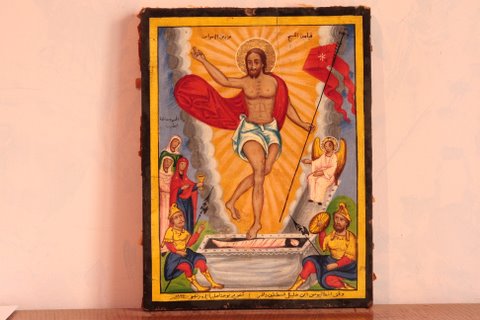
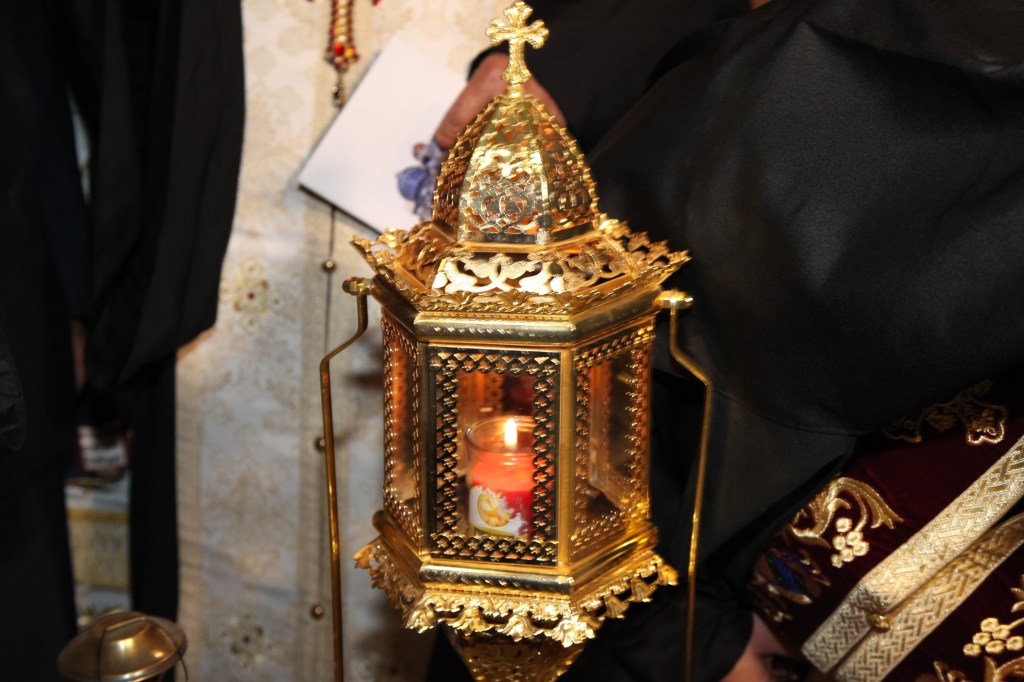
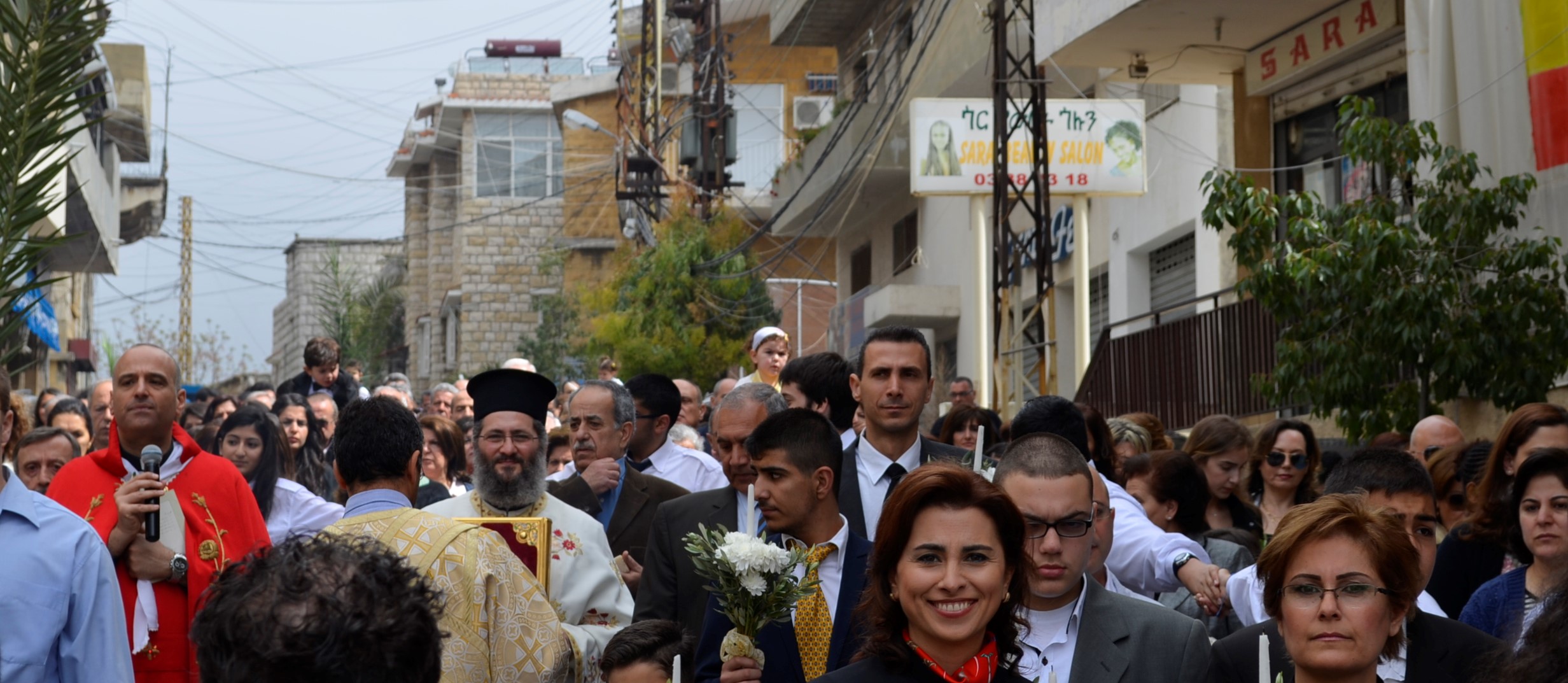
Christians in the West follow the Gregorian, while the Eastern Orthodox Christians follow the Julian calendar. Sometimes, the Easter dates coincide. The parishioners of Mar Elias Church and those of the Maronite Parish of Beit-Mery met half way on the main village street to walk together in solidarity during Holy week 2014. In 2014 Easter Sunday coincided on April 20 and was celebrated by both the Eastern and Western Christian traditions on the same day.
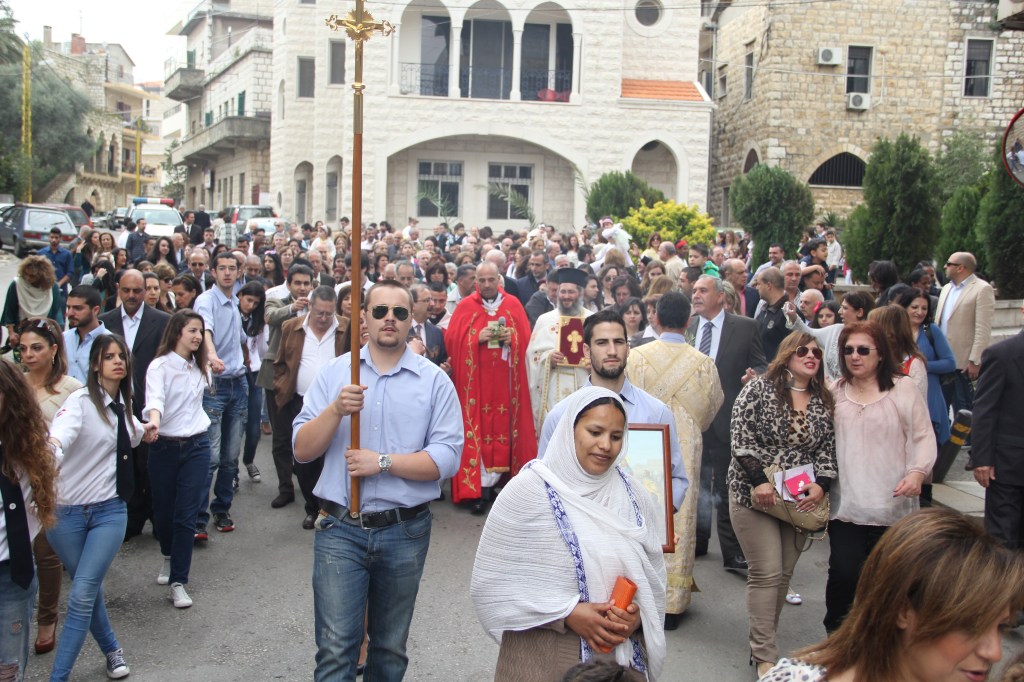
Doctrinally, Eastern Orthodoxy differs from Roman Catholicism in that it does not accept the primacy of the pope or the clause in the Western creed that states that the Holy Spirit proceeds from both the Father (God) and the Son (Jesus).
Today, Roman Catholics and Protestants are heirs to the Western tradition, and the Orthodox are heirs to the Eastern tradition.
What is the Orthodox Church?
The Orthodox Christian Church is the original church established by Jesus Christ. It is evangelical, but not Protestant. It is orthodox, but not Jewish. It is catholic, but not Roman. It isn’t non-denominational, it’s pre-denominational. It has believed, taught, preserved, defended and died for the Faith of the Apostles since the Day of Pentecost nearly 2,000 years ago.
Orthodox
Christians of the Eastern Churches call themselves Orthodox. This description comes to us from the fifth century and has two meanings which are closely related. The first definition is “true teaching.” The Orthodox Church believes that she has maintained and handed down the Christian faith, free from error and distortion, from the days of the Apostles. The second definition, which is actually the more preferred, is “true praise.” To bless, praise, and glorify God the Father, Son, and Holy Spirit is the fundamental purpose of the Church. All her activities, even her doctrinal formulations, are directed toward this goal.
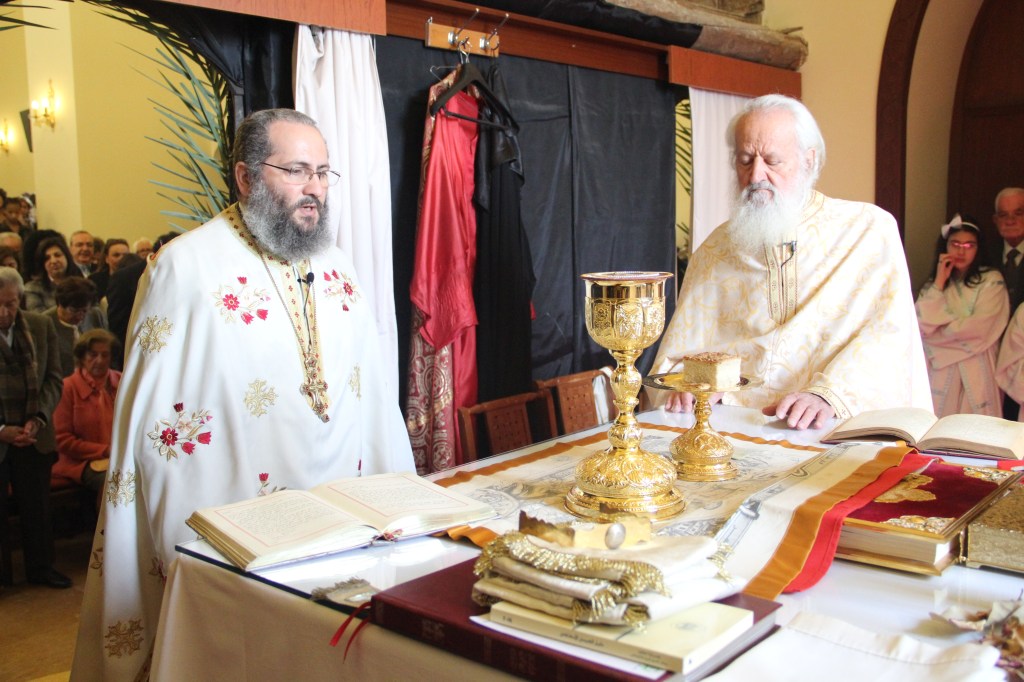
As you’ll see when visiting, Orthodox Christian worship is entirely about Jesus Christ:
- Sight: Images of Him and of the Scriptures surround you in icon form.
- Sound: The music is never about “I” or “me” (unless it is in a repentant form, usually during Great Lent), but Christ and those who have offered their entire life to Him.
- Taste: The Eucharist is His holy Body and Blood.
- Touch: We venerate (kiss) Christ and those who have offered their entire life to Him.
- Scent: One of the strongest memory-inducers, various fragrances of incense are burned depending on the festal season, and, in a way, carry our prayer to Christ.
In the early 21st century, Eastern Orthodoxy has more than 200 million adherents worldwide.
It is not unusual for titles such as Greek, Russian, and Antiochian to be used in describing Orthodox Churches. These appellations refer to the cultural or national roots of a particular parish, diocese, or archdiocese.
Diversity in Unity
The Orthodox Church is an international federation of patriarchal, autocephalous, and autonomous churches. Each church is independent in her internal organization and follows her own particular customs. However, all the churches are united in the same faith and order. The Orthodox Church acknowledges that unity does not mean uniformity. Some churches are rich in history, such as the Church of Constantinople, while others are relatively young, such as the Church of Finland. Some are large, such as the Church of Russia, while others are small, such as the Church of Sinai. Each Church is led by a synod of bishops. The president of the synod is known as the Patriarch, Archbishop, Metropolitan, or Catholicos. Among the various bishops, the Ecumenical Patriarch of Constantinople is accorded a “place of honor” and is regarded as “first among equals.” In America and Western Europe, where Orthodoxy is relatively young, there are a number of dioceses and archdioceses which are directly linked to one of these autocephalous Churches. For example, the Greek Orthodox Archdiocese is under the care of the Patriarchate of Constantinople. While the Archdiocese enjoys a good measure of internal autonomy and is headed by an Archbishop, it owes its spiritual allegiance to the Church of Constantinople.
Source: Greek Orthodox Archdiocese of America, http://www.goarch.org/ourfaith/ourfaith7052
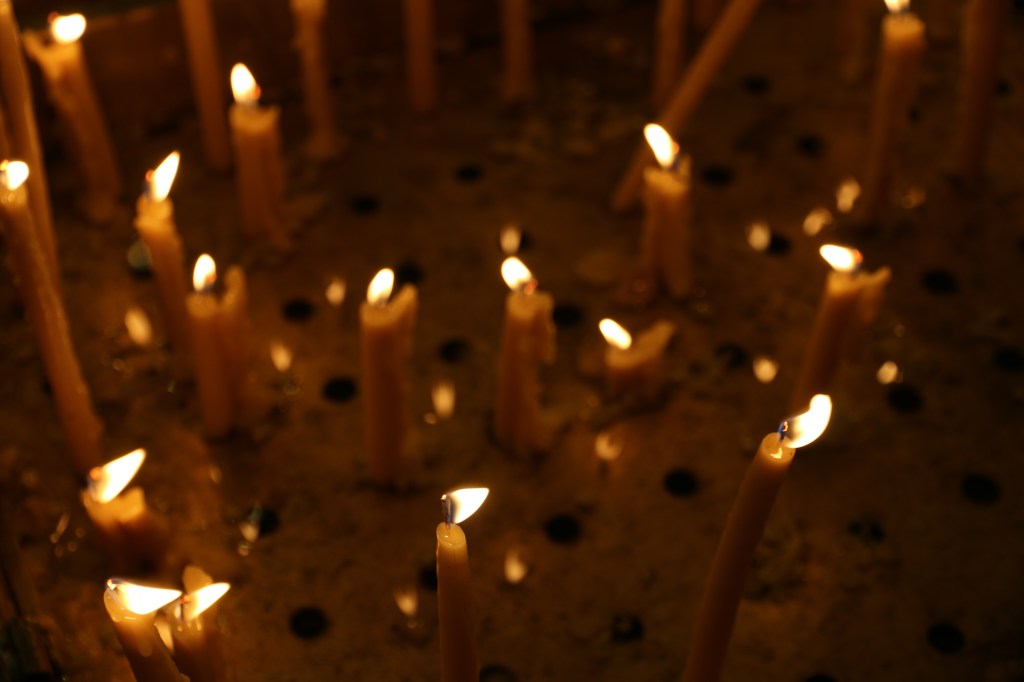
 Mar Elias Greek Orthodox Church Beit Mery, Mount Lebanon